
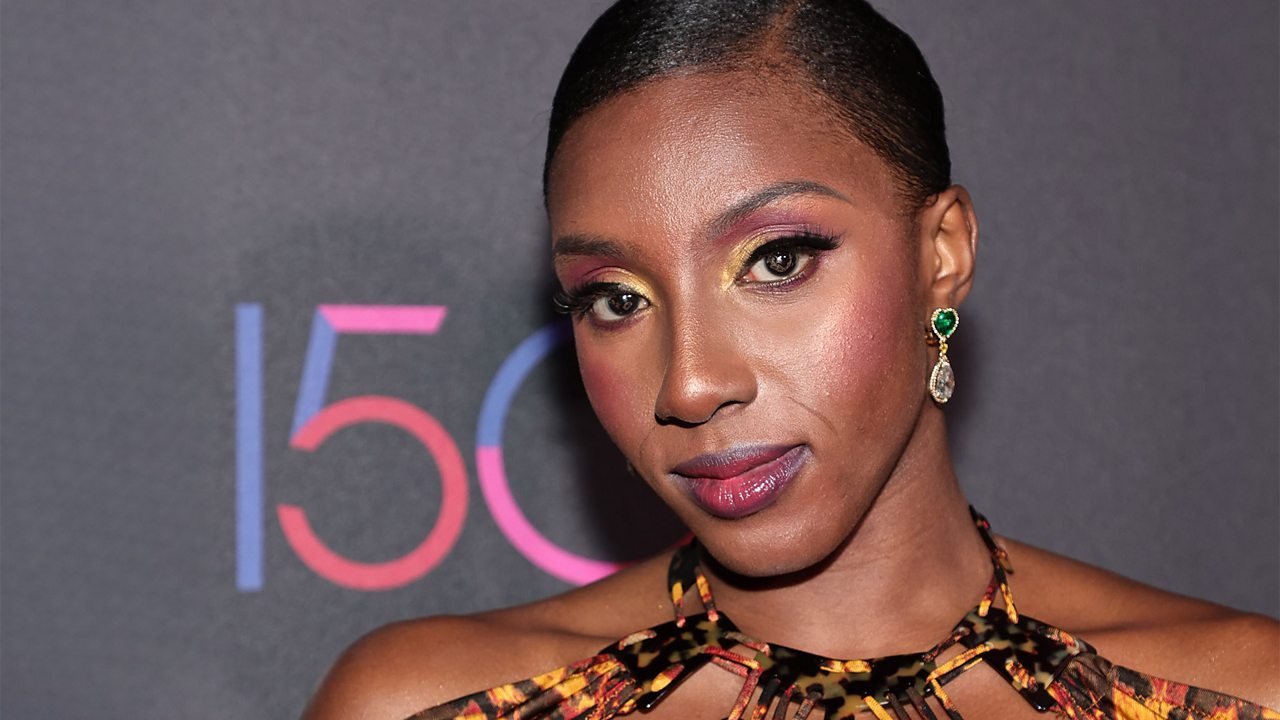
In a world where satire, politics, and social issues frequently collide, few comedians have tackled these intersections with the same sharp wit and unflinching boldness as Ziwe. Ziwe Fumudoh, known simply as Ziwe, has carved out a unique space for herself in the entertainment world, using comedy to confront uncomfortable conversations that many shy away from. With her thought-provoking humor, she challenges societal norms, dives into racial dynamics, and keeps her audiences on the edge of their seats, all while making them laugh.
The Rise of Ziwe Fumudoh
Ziwe Fumudoh’s rise to prominence didn’t happen overnight. A graduate of Northwestern University, she started her career with a passion for writing and comedy. Early in her career, Ziwe worked as a writer on the popular talk show Desus & Mero, which gave her invaluable experience in blending humor with deep social commentary. She quickly became known for her ability to ask difficult, sometimes awkward questions, especially about race, privilege, and social justice.
Her unique blend of humor caught the attention of many, leading her to host her own show on Showtime, Ziwe. The show’s format was a mix of late-night comedy, interviews, and musical performances, all designed to make both guests and viewers uncomfortable in the best way possible. Ziwe’s ability to tackle tough subjects head-on, all while maintaining her trademark humor, solidified her as one of the most exciting voices in the world of late-night TV.
The Power of Confrontational Comedy
What sets Ziwe apart from other comedians is her unapologetic approach to uncomfortable topics. Rather than shying away from difficult conversations, she dives straight in, using humor as both a tool and a weapon. Whether it’s addressing race relations, identity, or the absurdities of modern politics, Ziwe’s comedy doesn’t just make you laugh—it makes you think.
On her show, Ziwe would often sit down with celebrities and political figures, asking them the kind of questions that would make most people squirm. With biting humor and razor-sharp wit, she would peel back the layers of her guests’ personas to reveal uncomfortable truths. Her fearless questioning, combined with her ability to keep things lighthearted, was a signature of her style. It’s this perfect balance between humor and confrontation that made Ziwe stand out in a crowded late-night landscape.
But Ziwe’s style isn’t just about making people uncomfortable for the sake of entertainment. It’s about using humor to spark important conversations. Comedy, after all, is often a mirror to society, and Ziwe’s mirror reflects a world where we can no longer afford to be passive about the issues we face.
The Breakthrough: Ziwe Show
When Ziwe debuted on Showtime in 2021, it quickly became a cultural phenomenon. With its unique mix of comedy, interviews, and sketch segments, the show was unlike anything else on TV. It wasn’t just a talk show—it was an experience. Ziwe’s approach to celebrity interviews was unconventional. She would ask the kind of questions that made even the most seasoned stars pause. From political figures to reality TV stars, no one was immune to Ziwe’s razor-sharp humor.
A typical episode of Ziwe would feature a guest being questioned on everything from their personal views on race to their most cringe-worthy moments. But what made Ziwe’s interviews so captivating was her ability to make even the most difficult questions feel playful. Her guests would often find themselves laughing, even as they tried to navigate the tricky waters she threw them into. This wasn’t your typical late-night interview—it was an exploration of what happens when you put social issues under the microscope, all while keeping the audience entertained.
However, Ziwe wasn’t just about making famous people uncomfortable—it was about confronting society’s uncomfortable truths as well. Through her humor, Ziwe managed to shed light on issues of race, gender, and power in a way that felt fresh, engaging, and, most importantly, honest. Her comedic style invited viewers to laugh while reflecting on some of the most pressing issues of our time.

Confronting Uncomfortable Truths
One of the most compelling aspects of Ziwe’s comedy is her ability to confront uncomfortable truths with humor. In a world where so many avoid discussing sensitive topics, Ziwe embraces them with open arms. She uses comedy to hold a mirror up to society, asking important questions that force us to examine our biases, prejudices, and assumptions.
Ziwe’s approach to race and privilege has been one of the central themes of her work. Through her interviews and comedy sketches, she challenges the status quo, pushing her audience to rethink their views on race, class, and identity. For instance, in her Baited with Ziwe series, Ziwe would sit down with individuals from all walks of life, challenging them to confront their own biases and discuss their experiences with race and privilege. The result was often a mixture of awkwardness, humor, and, most importantly, self-reflection.
Her unflinching approach to sensitive topics is a hallmark of her comedy. Whether she’s making fun of white liberal guilt or pointing out the absurdity of tokenism, Ziwe’s humor never shies away from the hard truths. But despite the heavy subject matter, her comedy always leaves room for laughter. It’s this delicate balance between humor and truth that makes Ziwe’s work so powerful and so important.
The Cultural Impact of Ziwe
Ziwe’s influence extends far beyond her work on Ziwe. As a trailblazer in the comedy world, she has opened the door for more diverse voices in mainstream media. Her success has shown that there is a demand for comedy that isn’t afraid to tackle real-world issues, and that audiences are hungry for more nuanced, diverse perspectives.
Moreover, Ziwe has become a role model for many young people, especially those from marginalized communities. She has shown that it’s possible to use comedy as a means of social commentary and to make a real impact on the world. In doing so, she has proven that comedy can be a powerful tool for change, not just a way to entertain.
In an industry often dominated by a select few voices, Ziwe’s rise represents a shift toward greater inclusivity and representation. Her success has inspired a new generation of comedians to embrace their own unique perspectives and use their voices to address the issues that matter most. In many ways, Ziwe is at the forefront of a comedic revolution, one that prioritizes authenticity, diversity, and meaningful conversation.
Conclusion
In the world of comedy, few have managed to combine humor, social commentary, and cultural critique as successfully as Ziwe Fumudoh. Through her fearless approach to uncomfortable topics, she has created a space where humor is used as a tool for reflection and growth. Her work, whether on her show Ziwe or in her stand-up, challenges us to confront the issues that divide us—race, privilege, identity—with humor, honesty, and courage.
Ziwe’s ability to ask the tough questions, while keeping her audience laughing, has made her one of the most exciting voices in contemporary comedy. She has proven that comedy isn’t just about making people laugh—it’s about making them think, too.
At buzjournal, we’re always excited to explore the bold, brave comedians who aren’t afraid to speak truth to power, and Ziwe is undoubtedly one of the most influential voices of our time.
